
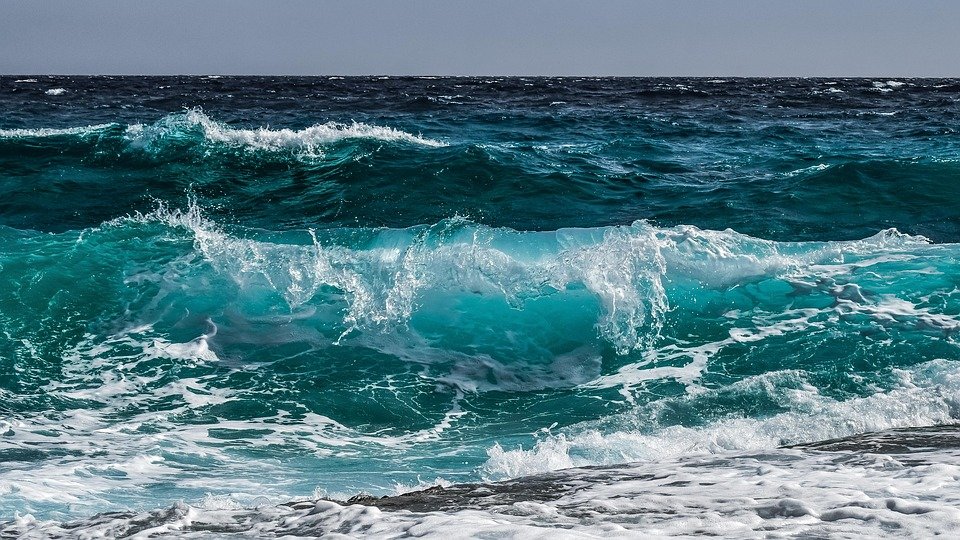

Portugal’s coastline, with its dramatic cliffs and powerful Atlantic swells, has long captivated surfers from around the world. Over the decades, surf culture in Portugal has transformed into an influential and vibrant community, mirroring societal shifts and environmental challenges while carving its unique identity within the global surfing landscape.
The Early Days: From Fishermen to Surfers
Surfing in Portugal can be traced back to the late 1960s and early 1970s when a handful of adventurous locals and foreigners, particularly from the United States and France, discovered the country’s potential as a surf destination. Beaches like Ericeira and Nazaré became early hotspots, attracting small communities of surfers who were drawn by the consistent waves and secluded spots.
Initially, the surf scene was informal, centered around a tight-knit group of enthusiasts who shared equipment and stories. As interest grew, surf shops began to spring up, offering locals and visitors the necessary gear for their ocean adventures. This wave of early surfers laid the groundwork for a burgeoning surf culture that would soon embrace the ideals of freedom, adventure, and community.
The Cultural Shift: Surfing as a Lifestyle
By the 1980s and 1990s, surfing was gaining traction as a mainstream activity in Portugal. This era witnessed an influx of European athletes and international competitions, placing Portugal on the global surf map. The country hosted its first major surf events, introducing a competitive element that galvanized the local surf community.
During this time, surfing also began to intertwine with Portuguese culture. The rise of surf music and art inspired by coastal life added a new layer to the surf experience. Local artists began capturing the essence of surfing through their work, contributing to a vibrant coastal culture characterized by creativity and expressiveness. Surfing started to be viewed not just as a sport but as a lifestyle that echoed the principles of sustainability and connection to nature.
The Global Influence: Events and Innovations
The 21st century marked a pivotal shift for Portugal’s surf culture. The hosting of the World Surf League events, notably in iconic locations like Peniche and Nazaré, brought international attention to Portugal. The incredible waves of Nazaré, known for their massive swells, attracted the world’s best big wave surfers, further enhancing Portugal’s reputation as a premier surfing destination.
Amidst this global spotlight, a significant emphasis on sustainability emerged. As surfers became more conscious of environmental issues, efforts to protect the ocean and reduce plastic waste gained momentum. Organizations and local surf schools began to incorporate environmental awareness into their curricula, fostering a new generation of environmentally-conscious surfers. This shift inspired collaborations between the surf community and environmental groups aimed at preserving the beauty of Portugal’s coastline and its marine life.
The Modern Era: Diversity and Inclusivity
Today, surf culture in Portugal is more diverse than ever. The rise of female surfers, surf schools catering to all ages, and the inclusion of adaptive surfing programs highlight a commitment to inclusivity within the community. Women’s surfing has gained momentum, with more female surfers competing at national and international levels, paving the way for future generations.
Additionally, the surf culture has integrated into the local economy, with surf tourism becoming a significant contributor. Beach towns have witnessed a flourishing of surf hostels, cafés, and wellness retreats, drawing not just surfers but those seeking an alternative lifestyle inspired by the ocean.
Challenges Ahead: Navigating Climate Change
Despite Portugal’s rich surfing heritage, challenges remain, particularly as the impacts of climate change become increasingly evident. Rising sea levels, coastal erosion, and warming ocean temperatures threaten both the waves and the surf culture that has blossomed along the coastline. As the surfing community addresses these challenges, there is a collective push towards sustainable practices, advocating for policies that protect the environment.
Conclusion: Riding the Wave into the Future
As Portugal’s surf culture continues to evolve, it remains deeply connected to its roots while adapting to the changing tides of society and the environment. From its humble beginnings to its current standing as a surfing powerhouse, the journey of surf culture in Portugal embodies resilience, innovation, and a deep appreciation for the ocean.
Looking ahead, the future of surfing in Portugal is poised for continued transformation, driven by a commitment to inclusivity, sustainability, and the enduring spirit of adventure. As surfers ride the waves of change, they carry with them a profound responsibility to protect the very environment that gives them life and joy. In these waves of change, the essence of surf culture will undoubtedly thrive for generations to come.