
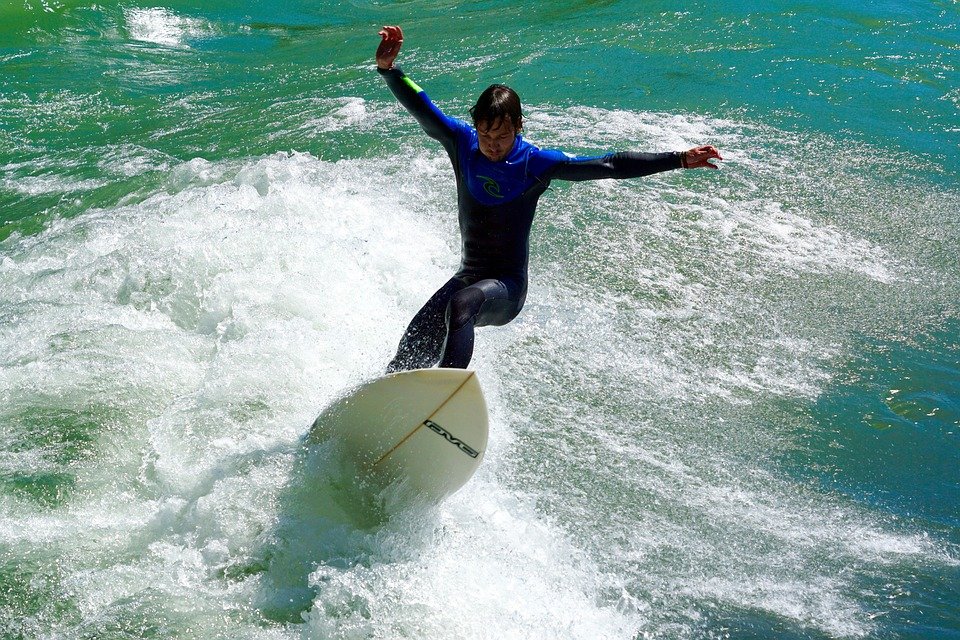

Portugal has long been heralded as a surfing paradise, drawing wave riders from across the globe to its stunning coastline, which is punctuated by picturesque cliffs and pristine beaches. Yet, as the popularity of surfing surges, so too does the pressing need for sustainable practices. The juxtaposition of thriving surf culture and environmental concerns gives rise to the question: can Portugal maintain its reputation as a surfing hotspot while committing to eco-friendly practices?
The Rise of Surf Culture in Portugal
In recent years, Portugal has positioned itself as a top-tier destination for surfers. Renowned spots like Nazaré, known for its colossal waves, and the laid-back beaches of Ericeira and Peniche, have made the country a focal point in the global surfing community. The annual World Surf League competitions and increasing numbers of surf schools have only exacerbated this trend, drawing attention from both amateur and professional surfers.
However, this booming industry comes at a cost. The influx of tourists can strain local ecosystems, and the infrastructure needed to support this tourism can lead to environmental degradation if not managed responsibly.
The Environmental Challenge
With increased foot traffic and activity on the beaches comes the increased risk of pollution. Plastic waste, litter, and shoreline erosion pose significant threats to these beautiful coastal areas. The challenge lies in balancing the need for tourism with the imperative to protect these natural resources.
Additionally, climate change plays a critical role in the shifting dynamics of surfing conditions. Rising sea levels, changing wave patterns, and ocean acidification all threaten the very essence of what draws surfers to Portugal’s shores.
Portugal’s Eco-Friendly Initiatives
In recognition of these challenges, Portugal is embracing a range of initiatives aimed at promoting sustainability within its surf culture. Here are some key strategies being implemented:
1. Clean Surfing Initiatives
Many surf schools and businesses have adopted clean-up programs that engage both locals and tourists in maintaining a litter-free environment. Events such as beach clean-ups are becoming commonplace, and various organizations are advocating for cleaner beaches and oceans.
2. Eco-Friendly Surfboards
Sustainable alternatives in surfboard production have also gained traction. Local shapers are experimenting with eco-friendly materials, such as recycled plastics and sustainable woods, which minimize environmental impact while maintaining performance.
3. Green Certifications for Surf Schools
Organizations are introducing certifications for surf schools that adhere to sustainable practices, encouraging them to adopt eco-friendly policies. These can include promoting responsible surfing, reducing plastic usage, and offering eco-conscious accommodation options for visiting surfers.
4. Awareness Campaigns
Educational campaigns are being launched to raise awareness about the impact of climate change and pollution on marine environments. By educating the surf community, Portugal aims to foster a culture of sustainability that resonates with all visitors and locals.
5. Collaborative Efforts
Collaboration between government, NGOs, surf businesses, and local communities is pivotal. Efforts are being made to establish marine protected areas and to implement policies that limit over-tourism and preserve coastal ecosystems.
The Road Ahead
While Portugal’s surfing scene flourishes, it is crucial that the beauty of its beaches and the health of its marine ecosystems are safeguarded. The commitment to eco-friendly practices needs to be a continuous effort, involving every stakeholder in the surfing community. This responsibility not only ensures that surfers can enjoy the waves for years to come but also preserves biodiversity and contributes to the overall well-being of the planet.
By embedding sustainability into the surfing culture, Portugal sets an example for other coastal destinations worldwide. It showcases that with a proactive approach, it’s possible to embrace the sport and the ocean while protecting the assets that make both flourish.
In conclusion, while surf’s up in Portugal, sustainability must not go down. The beauty of this nation’s coastlines and the thrill of its waves are too precious to compromise for short-term gain. With collaborative efforts, innovation, and a commitment to conscientious practices, Portugal can ensure that its surf culture continues to thrive in harmony with the environment.