
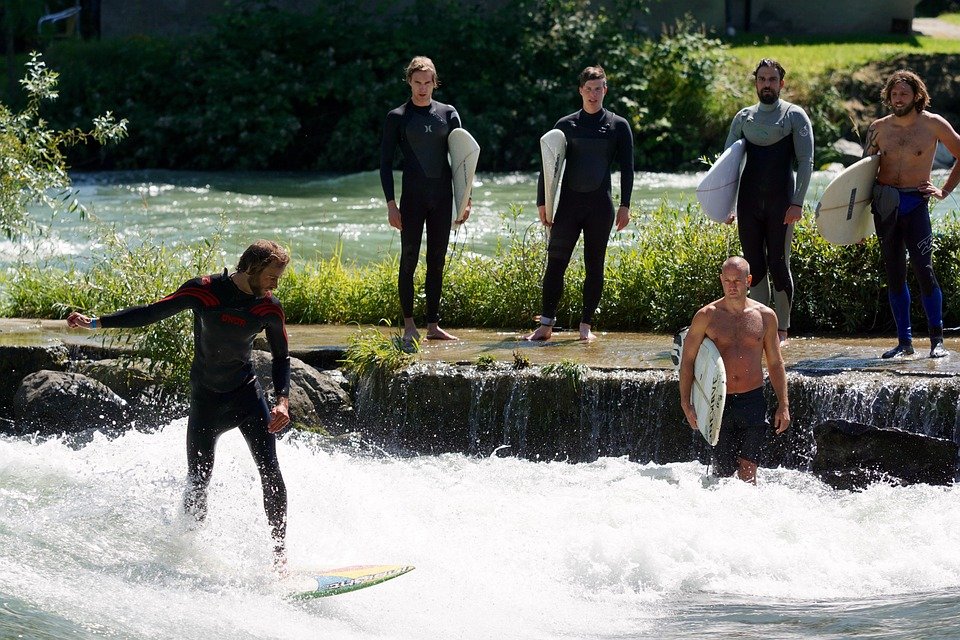

Portugal, often revered as one of Europe’s prime surfing destinations, is a land where stunning coastlines meet vibrant waves, making it a paradise for surfers of all skill levels. From the powerful swells of Nazaré to the picturesque beaches of Ericeira and the laid-back surf vibe of the Algarve, the allure of the country’s surf culture is undeniable. However, as the popularity of surfing soars, so does the responsibility to maintain the delicate balance between adventure and sustainability.
The Richness of Portugal’s Surf Culture
With over 800 kilometers of coastline, Portugal boasts a diverse range of surf spots suited for everyone—from beginners learning the ropes to experienced surfers seeking thrilling challenges. Notably, Nazaré has gained international fame for its colossal waves, attracting big wave surfers from around the globe. Ericeira, designated as a World Surfing Reserve, features consistent breaks and breathtaking scenery, while the Algarve’s warmer waters and sunshine create ideal conditions for year-round surfing.
Surfing in Portugal is not just a sport; it’s a way of life. The culture around it is vibrant, filled with surf schools, festivals, and a community spirit that celebrates both the ocean and the art of riding the waves. This lifestyle is deeply intertwined with the local economy, bringing in tourism and creating job opportunities. However, this burgeoning industry also poses significant challenges to the environment.
The Challenge of Over-Tourism and Environmental Impact
As surfing becomes increasingly popular, particularly among international tourists, the issue of over-tourism begins to surface. Popular spots are often overcrowded, resulting in environmental degradation, waste management concerns, and strain on local resources. The surfing community must grapple with these challenges, advocating for sustainable practices to protect the natural beauty that draws surfers to Portugal in the first place.
Moreover, the health of the oceans is at risk due to pollution, rising temperatures, and climate change, which threaten wave patterns and marine biodiversity. It becomes imperative for surfers, local businesses, and governments to take action, ensuring that the sport they love does not contribute to the degradation of the environment.
A Commitment to Sustainability
In response to these challenges, Portugal’s surf community is increasingly adopting sustainable practices. Surf schools, shops, and tourism operators are prioritizing eco-friendly initiatives such as:
-
Sustainable Surf Schools: Many surf schools are emphasizing environmental education, teaching surfers about ocean conservation and the importance of minimizing their ecological footprint. They encourage practices such as using biodegradable wax and avoiding products with microplastics.
-
Beach Clean-ups: Local surf clubs and community groups often organize beach clean-ups, encouraging surfers and residents to take an active role in preserving their playground. These events foster camaraderie and raise awareness about the importance of keeping beaches clean.
-
Eco-friendly Accommodation: Many surf hostels and hotels are adapting green practices, such as utilizing renewable energy, reducing plastic usage, and supporting local farmers by sourcing sustainable food options. Tourists are encouraged to choose eco-lodging that aligns with their values.
-
Conservation Organizations: Numerous organizations dedicate themselves to marine conservation efforts, working to protect both the ocean and its inhabitants. These initiatives often involve local surfers who understand the intrinsic connection between their sport and the health of the environment.
The Future of Surfing in Portugal
As Portugal’s surfing scene continues to evolve, the emphasis on sustainability is likely to intensify. With more awareness around climate change and its effects on ocean health, the surfing community is recognizing its role in conservation efforts. Partnerships between surfers, environmental groups, and local authorities are paving the way for a more sustainable approach to surfing that can be a model for other coastal regions worldwide.
Events such as the World Surf League have begun to prioritize sustainability, integrating eco-friendly practices into contests and events, providing a platform for discussions about the future of surfing in harmony with nature.
Conclusion
Portugal’s surf scene is a dynamic blend of adventure and sustainability, with surfers at the forefront of ecological stewardship. As more people flock to this beautiful country to carve their path on the waves, it is vital to honor and protect the natural environment that inspires such passion and connection to the ocean. By adopting sustainable practices, the vibrant culture of surfing in Portugal can continue to thrive while ensuring that future generations can share in the joy of riding Portugal’s impressive waves.