
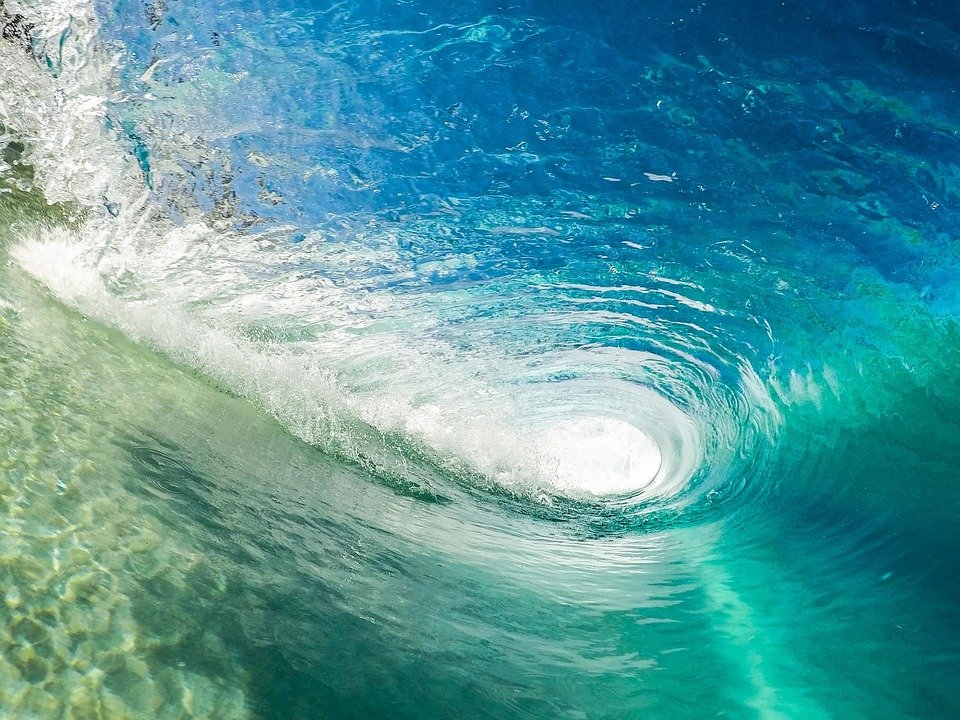

Portugal, with its stunning stretch of coastline, world-class waves, and vibrant surf culture, has long been a favorite destination for surfers from all over the globe. However, as the environmental impacts of surfing and tourism become increasingly obvious, the need for sustainable practices is more pressing than ever. Enter: green surfboards and clean beaches, a movement that promises to transform the future of surfing in this beautiful country.
The Surfing Landscape in Portugal
Portugal boasts some of the best surf spots in Europe, from the powerful waves of Nazaré to the accessible beaches of Ericeira and the picturesque surf towns of the Algarve. With its temperate climate, consistent swells, and an ever-growing community of surfers, it’s no wonder that the sport has become an integral part of the country’s culture and economy.
However, this surge in popularity has come at a cost. Pollution, excessive waste, and environmental degradation are challenges that could undermine the very essence of surfing: a connection to nature and the ocean.
The Rise of Green Surfboards
Amidst the push for innovation in the surfing world, green surfboards are emerging as a viable solution. Traditional surfboards are often made from non-biodegradable materials such as polyurethane foam and fiberglass, which contribute to pollution and landfill waste. In contrast, green surfboards are crafted from eco-friendly materials, using sustainable practices that minimize their impact on the environment.
Materials and Innovations
-
Bio-Resins and Alternative Foams: Many companies are now using bio-resins derived from natural materials, like soy or corn, to replace toxic traditional resins. Additionally, alternatives to polyurethane foam, such as EPS (expanded polystyrene), recycled polystyrene, or even wood, are becoming more commonplace.
-
Upcycled and Recycled Materials: Surfboard manufacturers are increasingly turning to upcycled materials – old surfboards, for instance – to create new products. By recycling existing materials, the surfing industry not only reduces waste but also promotes a circular economy.
-
Local Production: Many surfboard shapers in Portugal are focusing on local production, which reduces transportation emissions and supports local economies. Custom boards made from locally sourced materials offer surfers a more personal and environmentally friendly alternative.
Promoting Clean Beaches
While green surfboards represent a significant step toward sustainability, the health of Portugal’s beaches is equally crucial. Cleaner beaches mean safer surfing environments and better experiences for surfers and visitors alike.
Community Initiatives
Several initiatives have emerged in recent years aimed at keeping Portugal’s beaches clean:
-
Beach Clean-Ups: Local surf clubs and environmental organizations frequently organize beach clean-up events, enlisting the help of the surfing community to tackle plastic waste and debris. These clean-up efforts foster a sense of responsibility and community among surfers.
-
Sustainable Tourism Practices: Surf schools and camps are increasingly adopting sustainable practices, encouraging responsible tourism. Many now offer eco-tours or promote accommodation options that use renewable energy, waste management systems, and water conservation strategies.
-
Awareness Campaigns: Educational campaigns are vital in raising awareness about the importance of keeping beaches clean. Surfers are often at the forefront of these efforts, advocating for ocean conservation and the reduction of single-use plastics.
The Future is Bright
The future of surfing in Portugal looks promising as more surfers embrace sustainable practices and eco-friendly products. Green surfboards and clean beaches not only offer practical solutions to environmental issues, but they also enhance the overall surfing experience.
As eco-conscious consumers become the norm, the market for sustainable surf products is expected to grow. This shift will likely encourage more local artisans and companies to innovate, ultimately contributing to a healthier ocean and coastline.
Portugal’s commitment to preserving its natural beauty is evident, but it requires ongoing dedication from the surfing community, government, and businesses. Together, they can ensure that future generations enjoy the same pristine beaches and exhilarating waves that make Portugal a surfing paradise.
Conclusion
In merging the love for surfing with a commitment to environmental stewardship, Portugal is setting a powerful example for surfers around the world. With green surfboards and clean beaches as their guiding principles, the future of surfing in this coastal haven promises to be not just enjoyable but also sustainable. By prioritizing the health of the ocean and embracing eco-friendly practices, Portugal is paving the way for a vibrant and responsible surf culture. Surf’s up for a cleaner, greener future!